White paper on the use of AI in the workplace

The AI boom is putting pressure on many companies.

On the one hand, employees are encouraged to use AI tools; on the other hand, there is often a lack of guidelines and specific instructions on how to handle sensitive internal data and valuable company knowledge. As a result, many employees find themselves in a gray area when it comes to using AI in the workplace.

ESCRIBA’s new white paper addresses this sensitive topic. On behalf of the HR technology company, the market research firm Bilendi surveyed 1,037 employees in Germany on the use of AI in the workplace. The respondents are primarily office workers. Sign up now to get exclusive early access to the results.

Sign up now for the white paper!

Gain valuable insights into the use of AI in the workplace. This is how companies and organizations realize their full potential—driven by smart tools and holistic strategies.
All fields marked with * are mandatory.

ESCRIBA will soon publish a detailed white paper on the use of AI in the workplace. We will then send you the white paper directly and free of charge.

What Our Customers Say About ESCRIBA

First, a few interesting facts

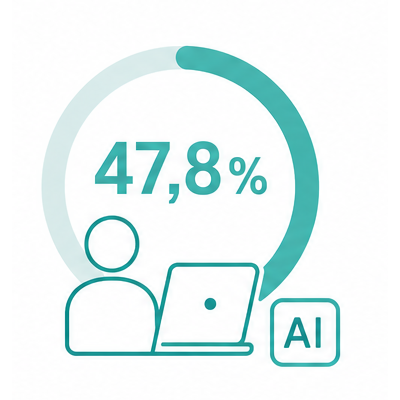
Already 47.8 percent of employees,

Those who work primarily at a desk use AI tools such as ChatGPT or Gemini for work purposes, even though these tools are not provided by their employers.

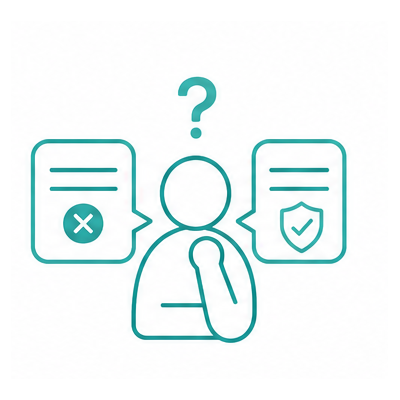
A large portion of the employees,

Those who work at a desk are left to deal with the challenges posed by artificial intelligence on their own. Only 45.2 percent of respondents say their employer has “clear rules” regarding “which AI tools may be used.”

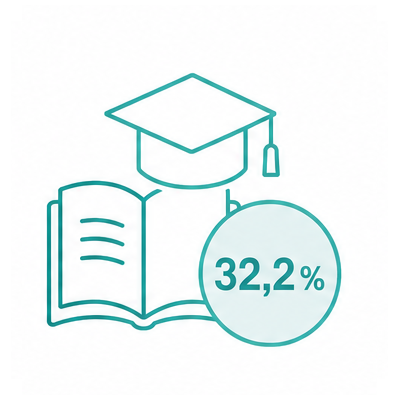
Continuing education for employees,

Only 32.2 percent of respondents have roles that are changing as a result of AI implementation.

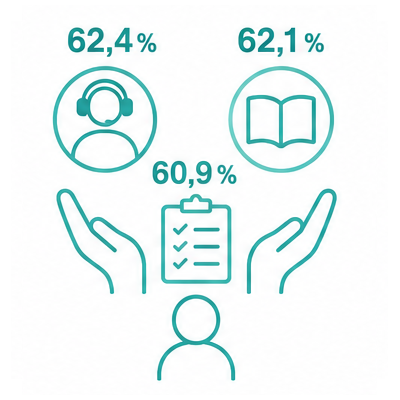
The Desire for Support

is significantly greater than what employers are offering. 62.4 percent would like to see clear rules for entering data into AI tools. 62.1 percent of respondents would like AI training. A majority of 60.9 percent would also like clear rules regarding which tools are permitted to be used.

AI has long since become part of everyday work life

The fact is: Artificial intelligence has long since become part of the daily work routine for desktop workers. 49 percent of them use AI “several times a week,” “daily,” or “several times a day.” Its use is particularly widespread among college graduates (56.3 percent compared to 41.6 percent among non-college graduates) as well as among younger workers aged 18 to 29 (63.6 percent compared to 34.7 percent among employees aged 60 to 65).

Uncontrolled Risks of Using AI in the Workplace

A lack of guidelines, a lack of support. Because many employees feel left to their own devices when it comes to using AI, they resort to so-called “shadow AI” solutions. This means that internal company data and information are entered into unauthorized AI systems.

42.7 percent of the surveyed “shadow AI” users have at some point entered drafts of internal emails into AI tools not provided by their employer, such as ChatGPT or Gemini. “Strategic information about projects, products, or customers” has already been entered by 15.7 percent, and another 25.4 percent can at least imagine doing so.

The AI Parallel World in Business

“Our survey shows that employees are under pressure to adopt the new technology and are therefore often already further along in their practical use of AI than their employers. Without clear internal rules and guidelines, this creates operational and data protection risks,”

says Steffen Kühn, Chief Information Security Officer at ESCRIBA.

According to Kühn, anyone who ignores this issue risks creating a parallel world of AI use within the company—with all the associated risks and drawbacks.
Christian Keller

Christian Keller
Business Development

Do you have any questions about ESCRIBA and our software solutions?

Then please feel free to make an appointment with me directly. We will discuss your requirements and possible solutions based on the ESCRIBA ECAP NLC platform in a personal meeting. I look forward to your enquiry.

You are currently viewing a placeholder content from Default. To access the actual content, click the button below. Please note that doing so will share data with third-party providers.

More Information